
FEATURED COLLABORATORS
FEATURED COLLABORATORS
Geshe Ladoe Sangpo
Geshe Ladoe Sangpo is of Gaden Jangtse Monastery, Mundgod, India. He was part of the first cohort of Tenzin Gyatso Science Scholars at Emory University and the first cohort of Research Training Internship Scholars at Northwestern University. He is also a science translator and Mind & Life faculty member.
Geshe Thabkhe
Geshe Thabkhe is of Sera Jey Monastery, Mysore, India. He was part of the first cohort of Tenzin Gyatso Science Scholars at Emory University and the first cohort of Monastic Research Training Internship Scholars at Northwestern University. He formerly served as Head of the Science Center and Director of Education at Sera-Jey.
Ani Choyang
Ani Choyang is of Jangchup Choeling Nunnery, Mungod, India. She was part of the fifth cohort of Tenzin Gyatso Science Scholars at Emory University and the first cohort of Monastic Research Training Internship Scholars at Northwestern University.
Ani Choyang is currently working to help her nunnery establish a Science and Learning Center. She is also a science translator and was formerly head of the science program at the nunnery.
Dr. Robin Nusslock
Dr. Robin Nusslock is Professor of Psychology, Neurobiology, Neurology, Psychiatry, and Behavioral Sciences at Northwestern University’s Interdepartmental Neuroscience PhD Program (NUIN), a Faculty Fellow at the Institute for Policy Research (IPR), and Co-Director of research training with the Emory Tibet Science Initiative.
The primary neuroscientist subject of the film, Dr. Nusslock trained in Dr. Richard Davidson’s lab at the University of Wisconsin, Madison. In 2022, he founded the Monastic Research Training Internship at Northwestern University with colleagues Dr. Ken Paller and Dr. Marcia Grabowecky, where filming began.
He leads a research program that uses neuroscientific methods to examine order and disorder in the emotional brain. Specifically, they use neurophysiology and both structural and functional neuroimaging to study the brain systems involved in generating both positive and negative emotions, and the regulation of these systems by the prefrontal cortex.
They then aim to translate their research on the emotional brain to investigate the neural mechanisms underlying emotional disorders, including depression, anxiety, addiction, and mania. He is also interested in how stress affects brain systems involved in generating emotion, and bidirectional signaling between the brain and the immune system in generating risk and resilience for mental and physical health problems.
Geshe Lobsang Tenzin Negi, PhD
Co-founder and Executive Director of the Center for Contemplative Science and Compassion-Based Ethics at Emory University, formerly the Emory-Tibet Partnership; Teaching Professor in Emory University's Department of Religion and the founder and spiritual director of Drepung Loseling Monastery in Atlanta, GA
Over the past two decades, Geshe Lobsang has been a pioneer of compassion training programs for adults and children and he has contributed to the development and burgeoning of compassion science through his research initiatives and collaborations.
Through his center, Geshe Lobsang has developed and now oversees three programs, which are dedicated to expanding compassion and engaging in research: CBCT® (Cognitively-Based Compassion Training), a secularized contemplative program based on Tibetan Buddhist mind training practices that deliberately and systematically works to cultivate compassion, SEE Learning™ (Social, Emotional and Ethical Learning), a program that develops and implements curricula for kindergarten through university level education for the education of heart and mind. The third is the Emory-Tibet Science Initiative, a program he developed, at the invitation of His Holiness the Dalai Lama, to develop and implement a comprehensive modern science curriculum specifically for Tibetan monastics.
Geshe Negi was born in Kinnaur, a remote Himalayan region adjoining Tibet. A former monk of 27 years, he began his monastic training at The Institute of Buddhist Dialectics in Dharamasala, India and continued his education at Drepung Loseling Monastery in south India, where in 1994 he received the Geshe Lharampa degree. Prof. Negi completed his Ph.D. at Emory University in 1999; his interdisciplinary dissertation centered on traditional Buddhist and contemporary Western approachesto emotions and their impact on wellness. His current research focuses on the complementarity of modern science and contemplative practice.
Dr. S. Gabriela Torres-Platas
Dr. Torres-Platas researches the neural correlates of Contemplative Sleep Practices (CSP), including Tibetan Dream Yoga. She is also interested in exploring dream yoga-inspired interventions to treat psychiatric symptoms. Additionally, she seeks to understand the molecular mechanisms of CSP and their effects on the neuroinflammatory system.
Originally from Mexico City, Gabriella holds a PhD. in Neuroscience from McGill University where she studied the implication of glial cells and their inflammatory contribution to depression and suicide. After her studies, she co-led a laboratory in Montreal where she conducted several clinical trials to study the biological mechanisms of Mindfulness-based interventions when used as a treatment in psychiatric disorders.
Dr. Richard Davidson
His research is broadly focused on the neural bases of emotion and emotional style and methods to promote human flourishing including meditation and related contemplative practices. His studies have included persons of all ages from birth though old age and have also included individuals with disorders of emotion such as mood and anxiety disorders and autism, as well as expert meditation practitioners with tens of thousands of hours of experience. His research uses a wide range of methods including different varieties of MRI, positron emission tomography, electroencephalography and modern genetic and epigenetic methods.
He received his Ph.D. from Harvard University in Psychology and has been at Wisconsin since 1984. He has published more than 400 articles, numerous chapters and reviews and edited 14 books. He is the author (with Sharon Begley) of The Emotional Life of Your Brain, published by Penguin in 2012 and co-author with Daniel Goleman of Altered Traits: Science Reveals How Meditation Changes Your Mind, Brain, and Body, published by Penguin Books in 2017.
He is the recipient of numerous awards for his research including a National Institute of Mental Health Research Scientist Award, a MERIT Award from NIMH, an Established Investigator Award from the National Alliance for Research in Schizophrenia and Affective Disorders (NARSAD), a Distinguished Investigator Award from NARSAD, the William James Fellow Award from the American Psychological Society, and the Hilldale Award from the University of Wisconsin-Madison. He was the 2000 recipient of the most distinguished award for science given by the American Psychological Association: the Distinguished Scientific Contribution Award. He was the Founding Co-Editor of the new American Psychological Association journal EMOTION and is Past-President of the Society for Research in Psychopathology and of the Society for Psychophysiological Research.
In 2003, he was elected to the American Academy of Arts and Sciences in 2003 and elected to the Wisconsin Academy of Sciences, Arts and Letters in 2004. In 2006, he was named one of the 100 most influential people in the world by Time and awarded the first Mani Bhaumik Award by UCLA for advancing the understanding of the brain and conscious mind in healing. Madison Magazine named him Person of the Year in 2007.
In 2008, he founded the Center for Healthy Minds, a research center dedicated to the study of positive qualities, such as kindness and compassion. In 2011, he was given the Paul D. MacLean Award for Outstanding Neuroscience Research in Psychosomatic Medicine. He serves on the Scientific Advisory Board at the Max Planck Institute for Human Cognitive and Brain Sciences in Leipzig from 2011-2020 and was Chair of the Psychology section of the American Association for the Advancement of Science from 2011-2013. In 2013, he received the NYU College of Arts and Science Alumni Achievement Award.
He is a current member of the World Economic Forum’s Global Agenda Council on Mental Health. From 1992-2017, he was a member of the Mind & Life Institute’s Board of Directors. In 2017, he was elected to the National Academy of Medicine, the premier authority dedicated to the health and medical sciences. In 2018, he was appointed to the Governing Board of UNESCO’s Mahatma Gandhi Institute of Education for Peace and Sustainable Development (MGIEP).
Geshe Lhakdor
Director of the Library of Tibetan Works and Archives and served as His Holiness the Dalai Lama’s official translator for 16 years.
In 1982, Geshe Lhakdor received his Master’s degree in English from Punjab University, Chandigarh, and an MPhil from Delhi University. He received his geshe degree from Drepung Loseling Monastic University in 1995.
He has worked as a co-translator of several books by the Dalai Lama; notably, The Way to Freedom, The Joy of Living and Dying in Peace, Awakening the Mind and Lightening the Heart, and the Stages of Meditation (commentary on the Bhavanakrama). He is presently the Chairman of the Education Council, CTA.
Dr. Thupten Jinpa
Principal English translator for the Dalai Lama since 1985; President and the Editor-in-chief of the Institute of Tibetan Classics, a nonprofit educational organization dedicated to translating key Tibetan classics into contemporary languages; Chair of Mind & Life Institute and the Compassion Institute at Stanford.
Dr. Jinpa was educated in the classical Tibetan monastic academia and received the highest academic degree of Geshe Lharam (equivalent to a doctorate in divinity). Jinpa also holds a BA in philosophy and a PhD in religious studies, both from the University of Cambridge, England.
Since 1985, he has been accompanying the Dalai Lama to the US, Canada, and Europe, and has translated and edited many books by the Dalai Lama, including The World of Tibetan Buddhism, Essence of the Heart Sutra, and the New York Times bestseller Ethics for the New Millennium.
Dr. Jinpa has also published scholarly articles on various aspects of Tibetan culture, Buddhism, and philosophy, and books such as Songs of Spiritual Experience: Tibetan Poems of Awakening and Insight (co-authored) and Self, Reality and Reason in Tibetan Thought. He serves on the advisory board of numerous educational and cultural organizations in North America, Europe, and India.
Dr. Nicole Gerardo
Professor of Biology at Emory University; Co-leader of the Emory Tibet Science Initiative Research Training Program.
Dr. Gerardo received her Ph.D. in Integrative Biology from University of Texas at Austin in 2004. Her research area covers Genetics, Cell, and Developmental Biology, and Population Biology, Evolution, and Ecology.
Her lab studies how host and microbial traits shape the evolution of both beneficial and harmful associations. She is particularly interested in how host immune responses differ upon introduction of beneficial versus harmful microbes, and how the presence of protective microbes alters host investment in immunity. She utilizes insect microbe associations amenable to experimental manipulation.
Dr. Marcia Grabowecky
Research Associate Professor and Director of Brain, Behavior, & Cognition at Northwestern University.
Dr. Grabowecky’s research explores probing questions: How are our rich perceptual experiences (e.g., an appreciation of a beautiful sunset) generated by the neural activity in the brain? What neuro-computational processes generate our subjective impression that we can intentionally control our mind and body? How does “intentional effort” interact with perceptual, attentional, and motor processes?
Although she and her team primarily focuses on the visual modality in tackling these questions, building on the extensive knowledge of the anatomy and physiology of the visual system, they have more recently become interested in understanding interactions between the visual, auditory, and tactile modalities.
Dr. Ken Paller
Professor of Psychology and James Padilla Chair in Arts & Sciences; Director of the Cognitive Neuroscience Program and the Training Program in the Neuroscience of Human Cognition; Fellow of the Cognitive Neurology and Alzheimer's Disease Center; and Fellow of the Center for Sleep and Circadian Biology at Northwestern University.
Daniel Morris
PhD candidate at Northwestern University.
Geshe Legden
Geshe Legden of Drepung Loseling Monastery, Mundgod, India is Director of the Brain and Body Lab, Education Director and researcher in Lucid Dream/Dream Yoga Study; Former Northwestern University Research Internship Training Program participant.
Lead in Monastery’s Lucid Dream Lab.
Tenzin Pasang
Former Administrator of the Drepung Loseling Science Center, Mundgod, India; Current Principal of The Dalai Lama Institute for Higher Learning.
Geshe Gaelek
Geshe Gaelek of Drepung Loseling Monastery, Mundgod, India. First Cohort of Scholars at Emory University.
Tenzin Kalden
Third Cohort of Scholars at Emory University.
Geshe Norbu Namgyl
Geshe Norbu Namgyl of Sera Jey Monastery, Mysore, India. Outgoing Director of Science Center at Sera Jey and head of translation; First Cohort of Tenzin Gyatso Scholars at Emory University.
Primary Subjects
FEATURED COLLABORATORS
Primary Subjects
-
Geshe Ladoe Sangpo
Gaden Jangtse Monastery, Mundgod, India
-
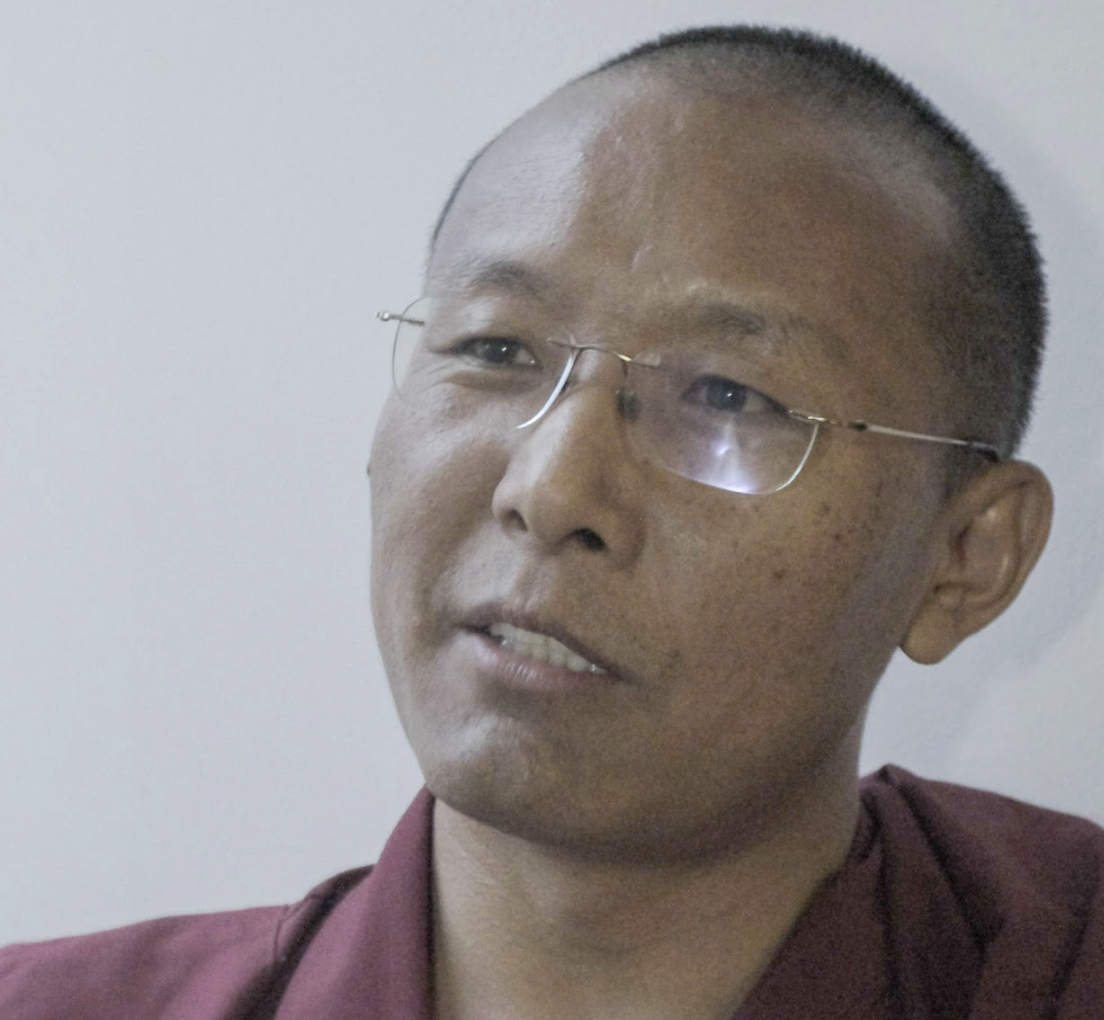
Geshe Thabkhe
Sera Jey Monastery, Mysore, India
-
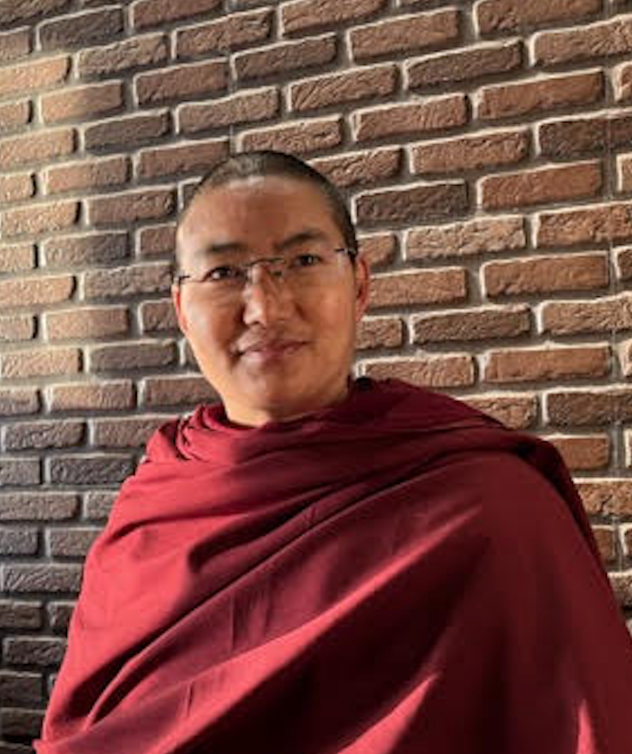
Ani Choyang
Jangchup Choeling Nunnery, Mungod, India
-
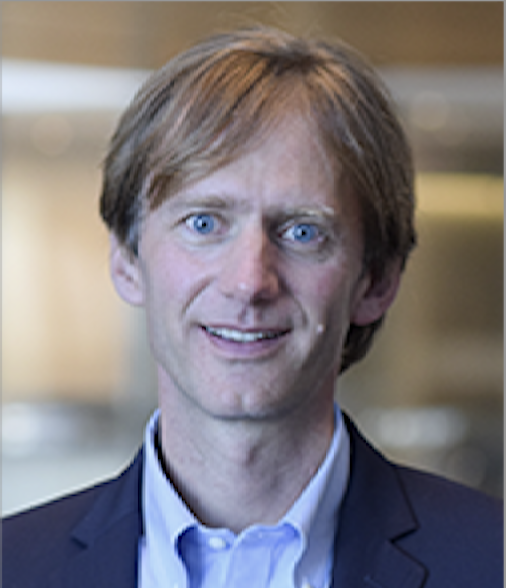
Dr. Robin Nusslock
Professor, Psychology: Neurobiology: Neurology, Psychiatry, and Behavioral Sciences at Northwestern University’s Interdepartmental Neuroscience PhD Program (NUIN): and Faculty Fellow Institute for Policy Research (IPR); Co-Director of research training with the Emory Tibet Science Initiative
-
Geshe Lobsang Tenzin Negi, PhD
Co-founder and Executive Director of the Center for Contemplative Science and Compassion-Based Ethics at Emory University, formerly the Emory-Tibet Partnership; Teaching Professor in Emory University's Department of Religion and the founder and spiritual director of Drepung Loseling Monastery in Atlanta, GA
-

Dr. S. Gabriela Torres-Platas
Neuroscientist at Northwestern University
-
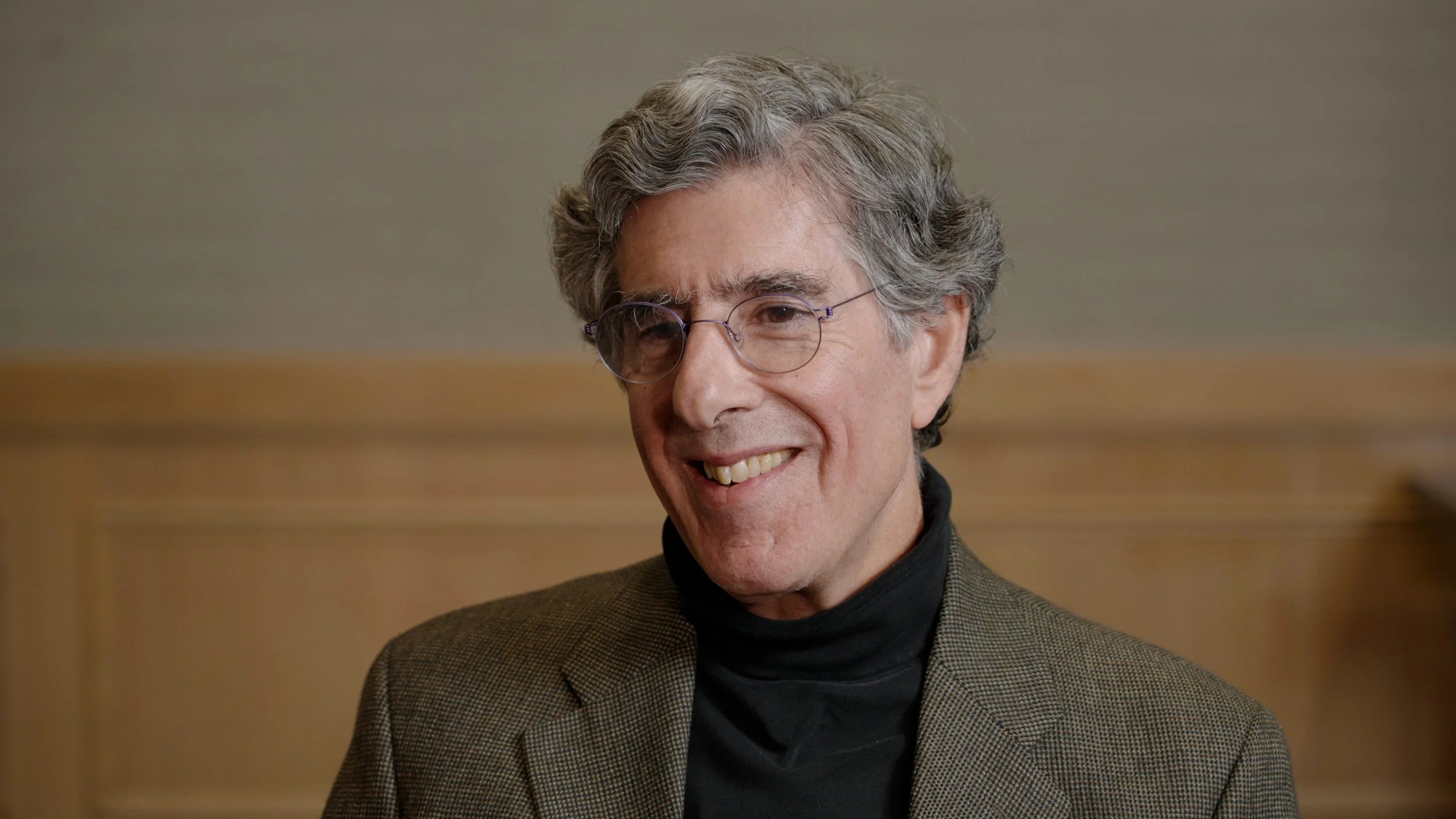
Dr. Richard Davidson
Professor of the University of Wisconsin School of Medicine and Public Health and Founder & Director of the Center for Healthy Minds
-
Geshe Lhakdor
Director of the Library of Tibetan Works and Archives and served as His Holiness the Dalai Lama’s official translator for 16 years
-
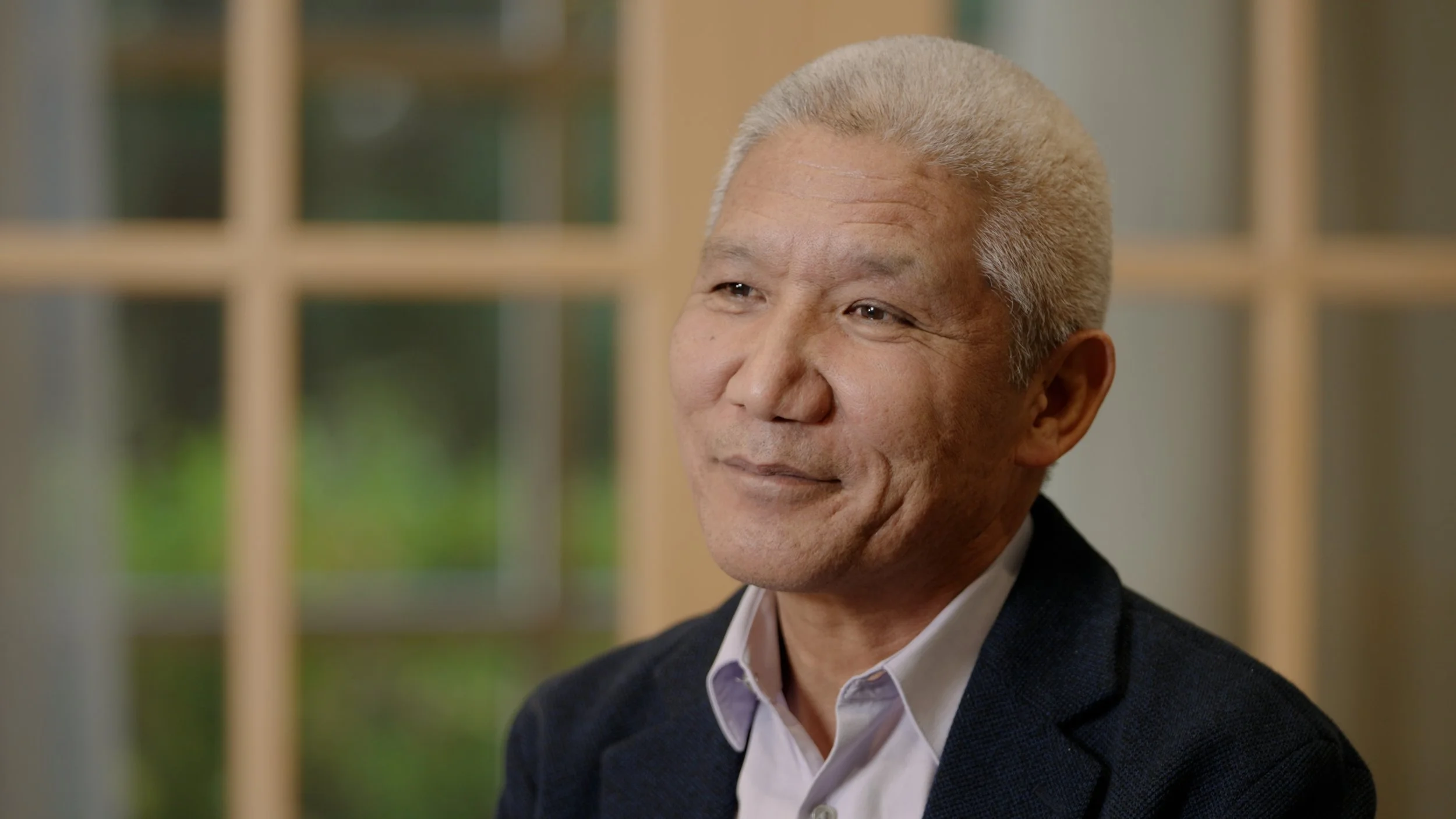
Dr. Thupten Jinpa
Principal English translator for the Dalai Lama since 1985; President and the Editor-in-chief of the Institute of Tibetan Classics, a nonprofit educational organization dedicated to translating key Tibetan classics into contemporary languages; Chair of Mind & Life Institute and the Compassion Institute at Stanford
Secondary Subjects
Secondary Subjects
-
Dr. Nicole Gerardo
Professor of Biology at Emory University; Co-leader of the Emory Tibet Science Initiative Research Training Program
-
Dr. Marcia Grabowecky
Research Associate Professor and Director of Brain, Behavior, & Cognition at Northwestern University
-
Dr. Ken Paller
Professor of Psychology and James Padilla Chair in Arts & Sciences; Director of the Cognitive Neuroscience Program and the Training Program in the Neuroscience of Human Cognition; Fellow of the Cognitive Neurology and Alzheimer's Disease Center; and Fellow of the Center for Sleep and Circadian Biology at Northwestern University
-
Daniel Morris
PhD candidate at Northwestern University
-
Geshe Legden
Drepung Loseling Monastery, Mundgod, India
-
Tenzin Pasang
Former Administrator of the Drepung Loseling Science Center, Mundgod, India; Current Principal of The Dalai Lama Institute for Higher Learning
-
Geshe Gaelek
Drepung Loseling Monastery, Mundgod, India
-
Tenzin Kalden
Third Cohort of Scholars at Emory University
-
Geshe Norbu Namgyl
Sera Jey Monastery, Mysore, India